Sitstand desks have become really noticeable in modern offices and even homes these days. More people are swapping out their traditional work setups for adjustable desks that let you shift between sitting and standing, which makes for a much more dynamic workday. The hype isn’t just a trend; there’s a lot of research and real-world experience showing the real benefits of sitstand desks. I’ve spent a good amount of time testing these desks and talking to people who use them daily. Here’s my take on why a sitstand desk could be a pretty smart addition to your workspace.
Big Benefits of Sitstand Desks
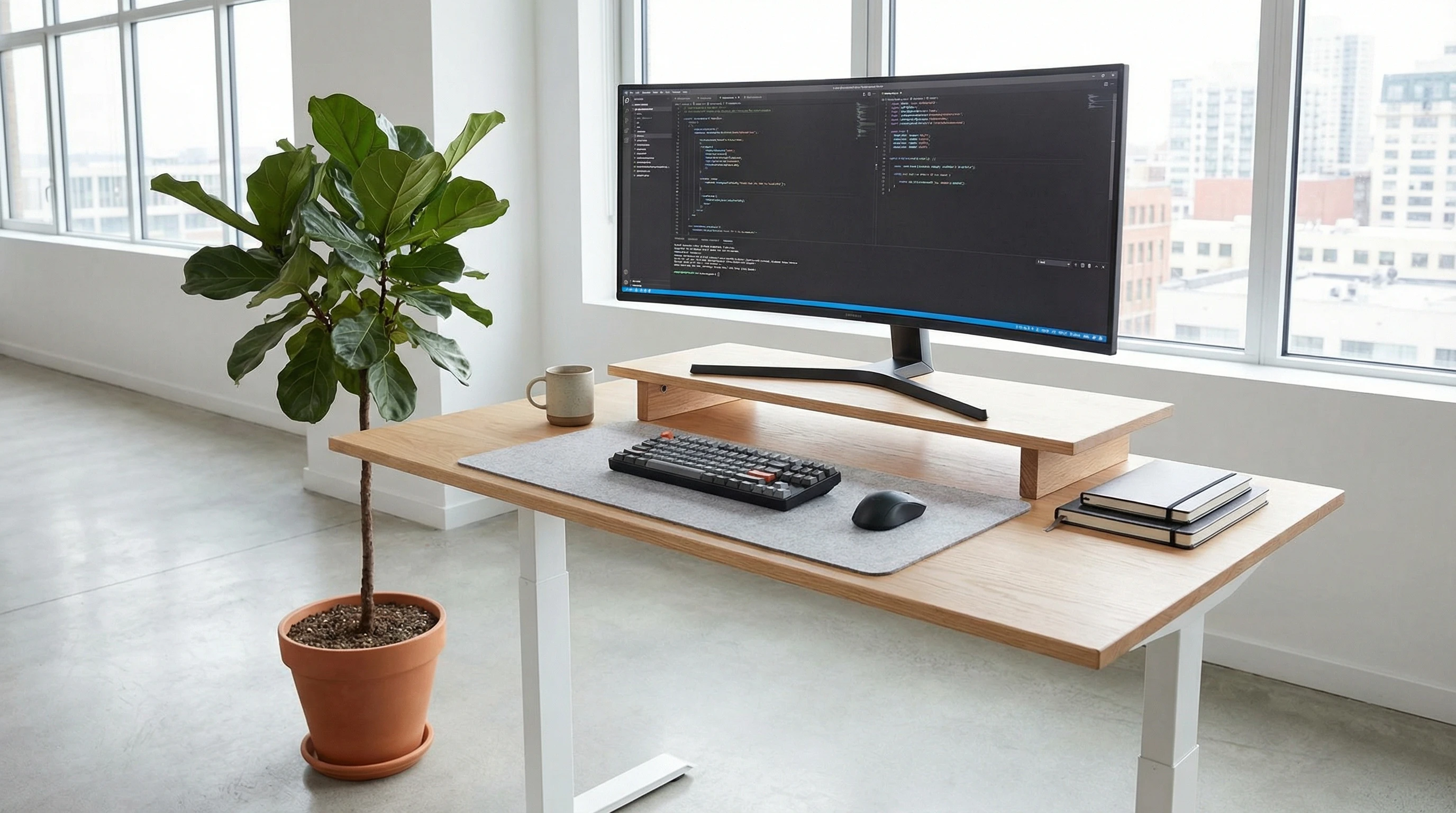
Sitstand desks, sometimes called standing desks or heightadjustable desks, let you move from sitting to standing with minimal effort. This switch can add a new level of comfort and even give a boost to how you feel throughout the day.
Mixing up your posture while working is a really practical way to fight the effects of long hours at a desk. Lots of people, including myself, have noticed less back pain, better focus, and improved energy just from standing up part of the time during work.
The popularity of these desks has grown alongside more awareness about the risks of sitting all day. Researchers and many studies are now pointing out that breaking up long sitting periods is one of the easiest ways to take care of your body, especially for office workers.
Whether you’re in a traditional office, working remotely, or setting up a home office, the trend toward more active workstations is not going away anytime soon.
Getting Started with a Sitstand Desk
When you begin using a sitstand desk, it’s a good idea to start slow. The learning curve is gentle, but there are some tips I think are worth sharing to make the adjustment smoother and more enjoyable.
- Start with Short Standing Sessions: It’s tempting to stand for hours, but starting with 20-30 minutes every couple of hours is plenty until your body gets used to the change. Slow increases are the way to go for lasting comfort.
- Alternate Frequently: Finding a balance between sitting and standing can help avoid fatigue. I usually switch positions every hour for comfort, but it might take a little experimenting to spot your ideal interval.
- Use a Mat: An antifatigue mat offers some cushioning for your feet, making standing more comfortable, especially on hard floors. It smooths the way for anyone adjusting to long days at the desk, whether standing or seated.
There’s no onesizefitsall approach, so it pays to experiment with timing, desk height, and even the shoes you wear. Gradually increasing standing time helps you work up to longer sessions without discomfort.
If you experience any lasting pain, check in with a medical professional before ramping up your standing hours.
Common Benefits of Using a Sitstand Desk
The list of upsides is pretty long, but I’ll highlight the ones that really make these desks a solid investment in your work setup.
Reduced Back and Neck Pain: Sitting for long stretches can really mess with your posture. By adjusting your position and working while standing part of the time, you take pressure off your spine and neck. I’ve noticed less stiffness and way fewer aches once I started alternating regularly.
Better Energy and Focus: I actually feel more alert when I’m standing. Research backs up that standing increases blood flow, which helps your brain stay sharp and involved during tough tasks.
Boost in Calorie Burn: While standing isn’t a replacement for workouts, it does raise your energy use compared to sitting. Over time, those extra calories can add up and support more active living.
Improved Mood: Many people, including myself, find that standing more often during the day just feels good. There’s a sense of movement and energy that can even lift your mood a little.
A 2014 study published in the journal Preventing Chronic Disease found that using a sit stand desk helped ease discomfort and give a boost to the mood of office workers. It’s a small change that can really make your workday a little easier on your body and your mind.
Tips for Using Your Sitstand Desk Effectively
If you’re using a sitstand desk for the first time, there are a few things you’ll want to keep in mind to make the most out of your experience:
- Find Your Perfect Height: Adjust the desktop so your elbows stay close to a 90-degree angle while typing, and keep your monitor at eye level. This helps you avoid hunching or straining during your day.
- Keep Moving: Stand, stretch, and move a bit throughout the day. It doesn’t all have to be about standing still; shifting your weight, walking on the spot, or doing calf raises all help circulation and reduce fatigue.
- Wear Comfortable Shoes: Hard dress shoes can get uncomfortable pretty fast when standing. I keep a pair of sneakers under my desk for my standing shifts.
- Don’t Overdo It: Spending too much time standing from the start can leave your legs tired or sore. Listen to your body and adjust as you go, increasing your standing time gradually for a smoother transition.
These small tweaks make a noticeable difference in how you feel at the end of the day and can add to your overall comfort.
Is a Sitstand Desk Better for You?
Whether a sitstand desk is better comes down to your personal work style and health goals. People who sit for most of the day or have recurring back issues generally find a lot of relief from standing part of the time.
For others, just the chance to mix things up during the day is a big win.
I’ve found that having the option to stand or sit as my body wants has improved my comfort and kept me moving.
Studies from sources like the Centers for Disease Control and Prevention suggest there are real potential benefits for most people, especially if you’re looking to reduce discomfort and boost your energy at work.
Ultimately, personal preference and health needs will guide what works best for you, but the flexibility of these desks makes them attractive to a wide range of people.
How Long Should You Stand Each Day?
Experts suggest aiming for about 2 hours of standing, split into short intervals throughout an 8-hour workday, when you’re just getting started. As your body gets more used to the new routine, working up towards 4 hours total is pretty common.
Everyone’s tolerance is different; so it’s okay to find the blend of sitting and standing that feels best. I usually switch positions every hour or whenever I start to notice any discomfort.
Remember, variety is your friend, and small changes can make a real difference in your day-to-day comfort.
Can a Standing Desk Reduce Belly Fat?
This is something I get asked a lot. Standing does burn a bit more energy than sitting, but don’t expect massive changes to body fat, including belly fat, just from standing more during your workday.
You’ll notice small calorie differences; but real changes to body fat or waistline generally need consistent exercise and healthy eating habits in addition to regular movement during the day.
Sitstand desks can encourage a more active lifestyle, which is helpful, but they aren’t a quick fix for weight loss. Still, it’s nice to know you’re burning a few more calories and adding a bit more movement every day, along with other wellness benefits.
Pros and Cons of Sitstand Desks
- Pros:
-
- Less back and neck pain from prolonged sitting
- Better energy, focus, and mood throughout the day
- Gives you flexibility to adjust your work position easily
- Promotes more movement during your workday
- Cons:
-
- Can take some time to get used to standing for longer periods
- Quality models can be pricey
- Standing too long without breaks can cause sore feet or legs
- May not fit in every home or office space
The positives are noticeable, but it’s smart to set up the desk for your body and not to rush into standing too much too soon. Starting slow helps you avoid most of the downsides, and thoughtful setup will give you the best results.
Examples of Sitstand Desks Worth Checking Out
The market is packed with different options. Here are a few types of sitstand desks you’ll commonly see, including a couple I’ve personally liked:
- Electric Standing Desks: These are super convenient; just push a button to adjust the height. Brands like Uplift, Fully (Jarvis), and FlexiSpot all have easy to use electric options with smooth movement and lots of size choices for any setup.
- Manual Crank Desks: Simple plus dependable, you just turn a crank to raise or lower the desk. It takes a little muscle, but there’s less that could go wrong compared to electric ones. The IKEA SKARSTA is one that’s budgetfriendly and solid for most uses.
- Heightadjustable Desk Converters: These sit right on top of an existing desk and let you lift your whole workspace. I’ve used the VariDesk model at a few jobs, and it’s a handy option if you aren’t ready for a brandnew desk.
- Desktop Risers: For an even simpler option, a desktop riser can let you work standing up on a budget. Not as flexible as a fully adjustable desk, but a decent starting point for those looking to make small changes.
All types can help you add more movement to your workday. It just depends on your budget, available space, and preference for electric or manual adjustments. It helps to read user reviews and, if possible, try out different models before making your pick.
Ask for advice from colleagues who have already made the switch; you’ll likely learn a thing or two from their experience.
Frequently Asked Questions
Does standing help with posture?
Standing more during your workday encourages you to keep your shoulders back and spine straight. Make sure your desk and computer setup is dialed in, and you’ll notice posture improvements almost right away. I found that my slouching habits got better once I started using a sitstand desk.
Can you use a sitstand desk all day?
It’s best to switch between standing and sitting throughout the day, since long periods of either can get uncomfortable. The key is to listen to your body and switch positions if you start feeling tired or sore. Most people find a rhythm after a week or two of routine use.
What other accessories work well with a sitstand desk?
An antifatigue mat, a good footrest, and even a monitor arm all make standing easier on your body and help with comfort over longer periods. Accessories that support ergonomic health are a worthwhile investment for anyone serious about their workspace.
Last Thoughts
Swapping to a sitstand desk has made a big difference in how I feel at the end of a busy workday. It offers flexibility, a bit of energy lift, and helps keep nagging aches at bay. While it won’t magically solve every problem, the mix up in routine and the small changes to movement can really add up.
If you’re looking for a work upgrade that boosts comfort and a sense of well-being, a sit stand desk is definitely worth considering. If you decide to make the switch, take your time with the new habit and enjoy the added freedom in your daily workflow.
Thanks for stopping by and have a great day!