
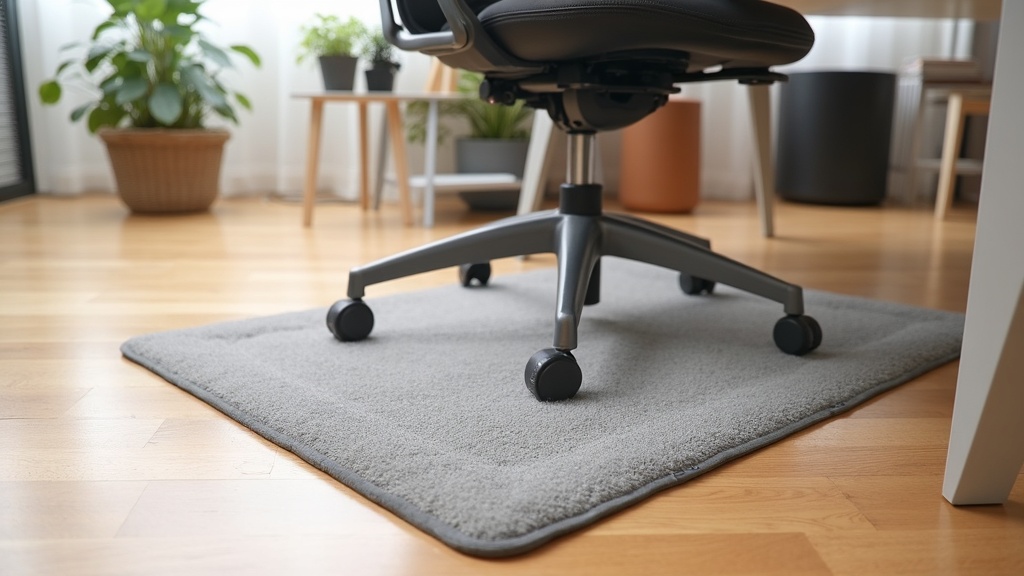
Chair mats are rarely the first thing people think about when building a workspace that’s comfortable or productive, yet they do so much more than most people realize. I’ve hustled at plenty of desks—sometimes at home, sometimes in tight office corners—and I’m convinced a smartly chosen chair mat makes a real difference for comfort, office style, and even how long your chair and flooring last.
Why Ergonomic Chair Mats Deserve Attention
Getting your office in shape isn’t just about upgrading your chair or installing a height-adjustable desk. Chair mats actually play a super helpful supporting role. They not only shield your floors, but they also make the constant rolling and shifting in your seat much easier.
Over the years, I’ve noticed my chair moves more smoothly on a mat and the floor is safe from chew marks, worn patches, and scuffs that would otherwise be tough to ignore.
As working from home became more popular, people started looking for ways to make home offices comfier and protect their floors as well. If you’ve ever found yourself eyeing an ergonomic chair mat but hesitated, you’re not alone. Let’s check out just why they really do deserve some focus.
Core Benefits of Ergonomic Chair Mats
- Floor Protection: Chair mats keep your floors safe from dents, gouges, and everyday wear. Chair wheels can ruin both carpet fibers and hardwood—making replacement costly and annoying. I’ve definitely saved myself headaches knowing my mat shields the floor.
- Ergonomic Support: Surprisingly, mats help cut down on fatigue. Rolling over a hard mat takes way less effort than fighting thick carpets or scraping wood. The smoother motion helps your back and legs too.
- Improved Mobility: Chair mats help you glide across your workspace without irritating catches or stops. I really notice less straining in my legs just to move around, which adds up over long work sessions.
- Noise Reduction: Rolling wheels on tile or hardwood gets loud fast. Chair mats keep the noise to a minimum, making them perfect for shared workspaces or conference call warriors.
- Chair Longevity: Mats keep out grit and debris that grind down chair castors. With a barrier in place, your wheels stay cleaner and your chair tends to last longer and roll smoother.
Beyond the Basics: Unexpected Advantages of Chair Mats
- Better Standing Desk Flow: Mats make it easy and quick to move your chair out of the way if you use a sit-stand desk. I adore using an anti fatigue standing mat in conjunction with my mat. It’s very easy to go from a seated to a standing position.
- Workout-Friendly Workspace: Want to pedal on a mini exercise bike or stretch near your desk? Chair mats provide a steady, slip-free base for your gear. No more rowing your chair wheels out of the rug before you get started.
- Personalized Style: Chair mats now come in a rainbow of colors and designs. Interested in bringing some personality or even a company logo into your office? A custom chair mat covers wear and adds flair all at once.
Key Questions About Ergonomic Chair Mats
When choosing chair mats, a lot of myths and questions come up. My thoughts on the most frequent questions people have when weighing their options are as follows:
Do You Really Need a Chair Mat?
A chair mat keeps everything looking nice and smooths out any hard floors, carpets, or rugs you may have. It just makes sense to add a mat unless your chair hardly moves or your floor is already impervious to wear.
It’s an easy solution to save time and money because floor replacements or repairs can be expensive.
Do Desk Mats Improve Ergonomics?
Chair mats absolutely offer ergonomic perks. Easy rolling protects your body from unnecessary strain. Over the long haul, less resistance from the ground means more comfortable movement, so you stay fresher through even marathon workdays.
What is the Point of Chair Mats in an Office?
Their main role is floor protection, but they also boost comfort. Chair mats provide an even surface for your wheels, making it easier to move and reducing noise that might interrupt your focus in shared or open office spaces.
Should You Put a Rug Under an Office Chair?
While rugs are stylish, they just aren’t made for constant rolling. Over time, chair wheels fray fibers and the wheels may get stuck. Adding a chair mat—especially on a low-pile rug—means you don’t sacrifice easy movement for a cozy look.
Quick Guide: How to Pick the Right Chair Mat
- Know Your Flooring: Buy a mat matched to your floor. Carpeted surfaces benefit from mats with small anchor “teeth,” while hard floors call for mats with slick bottoms that won’t wander around.
- Fit Is Everything: Measure your workspace. Your chair should stay on the mat as you roll, so big enough is key. Tiny mats just get frustrating.
- Material Type: Polycarbonate and PVC are popular—polycarbonate is stronger and doesn’t crack as fast. If you want something planet-friendlier, there are options in recycled vinyl and bamboo too.
- Edge Details: Beveled edges are ideal to help your chair get on and off the mat without tripping up your wheels or your feet.
What to Consider Before Bringing Home a Chair Mat
- Budget: Chair mats start affordable and stretch to high-end. Durable mats might cost more, but focus on thickness, sturdiness, and whether you want something eye-catching or subtle, not just price.
- Upkeep: Most mats only need a fast wipe with a damp cloth or light vacuum. Some scratch easier or get cloudy with rough cleaning, so stick to whatever’s recommended to keep them looking sharp.
- Sensitivity and Safety: A few mats release mild odors at first as plastics settle. If you’re sensitive, look for mats marked “no phthalates” or “non-toxic” for a more comfortable experience.
Cool Features That Make Chair Mats Worth Checking Out
- Anti-slip Layers: These stop the mat from sliding away as you roll or stand, so it stays put.
- Specialty Shapes: Some mats are made for L-shaped desks, corners, or extra-long runs under standing desks—nice if your layout is unique.
- Noise Dampening: Got a workspace where even small sounds travel far? Look for mats built to absorb those rolling noises and keep things quieter.
Real-World Scenarios
When I first worked from home, I thought skipping the chair mat was no big deal. I quickly learned otherwise: within weeks, my hardwood floor showed scratches from the chair wheels rolling back and forth.
The scuffs vanished and my workspace felt much smoother to roll around in after I installed a stronger polycarbonate mat.
I observed that desks with chair mats had significantly less noticeable carpet wear than desks without them in a previous workplace; mat users consistently had cleaner, more durable floors.
Frequently Asked Questions
Question: How can I clean and take care of a chair mat?
Answer: Most mats just need a gentle soap and water wipe followed by drying. Don’t place back on the floor until it’s dry. Avoid using sharp items that could leave scratches.
Question: Will a chair mat crack or curl on me?
Answer: Thin PVC mats can crack or curl, especially if your chair is heavy or you have hard floors. Choosing a thick, tough polycarbonate mat will help avoid these troubles.
Question: Are there alternatives to typical plastic mats?
Answer: Glass mats, heavy rubber mats, and even bamboo options are available. Glass offers a sleek, modern look, while bamboo mats bring in warmth and style—just keep in mind glass costs more.
Summary: The Hidden Hero in Office Comfort
Chair mats may not top your list for office upgrades, but they do more than people think. They protect floors, help your chair roll easily, certainly hush the noise, and help both your chair and space last longer.
Plus, with new styles and materials, there’s something for every office or room vibe—especially for anyone using standing desks or adding a little movement to their day.
Once you add a mat, you’ll quickly see why this basic upgrade is a secret weapon for making your workspace more comfortable, functional, and even a little more fun.
That’s it for now peeps, have a great day!