
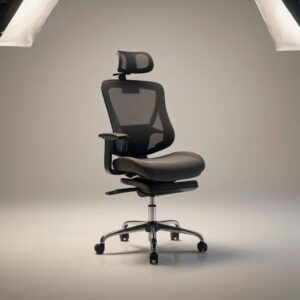
People spend a significant amount of time sitting at work, making the choice of office chair an important investment in comfort, health, and productivity. Picking between ergonomic chairs vs regular chairs isn’t just about the look; comfort really matters, and the right choice can make a huge difference for your body and how you feel at the end of the day.
Ergonomic chairs pack in adjustable features like lumbar support, seat height, armrests, tilt mechanisms, and seat depth. All of these help you keep good posture, cut down on aches, and reduce the risk of long-term pain.
Regular chairs tend to be simpler (and cheaper) with fixed designs and limited support, which might be fine if you sit for only short bursts. But when you’re working all day at a desk, those simple designs can really fall short.
Understanding Ergonomic Chairs
What Makes a Chair Ergonomic?
Ergonomic chairs are built with one goal in mind: making sitting more comfortable and supportive for your body.
You’ll notice features like adjustable lumbar support (for your lower back), adjustable armrests, adjustable seat height, seat depth options, and even headrests or a tilt function.
These are intended to help your body align correctly so you’re not straining or slouching; they’re not just extra bells and whistles.
Are Ergonomic Chairs More Comfortable?
If you’re sitting for hours, an ergonomic chair usually feels way better. You can tweak the adjustments until the chair fits your body just right.
This helps keep pressure off your spine and joints, reducing those aches and sore muscles that pop up when sitting in a regular chair all day.
After switching to an ergonomic chair, chair related back pain virtually disappeared after a week. Additionally, I found that I could concentrate better on my work and felt less exhausted at the end of the day, which significantly improved my productivity.
Who Needs an Ergonomic Chair?
- Anyone working long hours at a desk
- People dealing with back, shoulder, or neck pain
- Folks who want to invest in their long-term health and comfort
- Workers in office or home-office setups
- Students who spend hours studying or using a computer
What Sets Regular Chairs Apart?
What is a Regular Chair?
A regular chair (sometimes called a task or standard chair) usually comes with a fixed design. You’ll get basic seat height adjustment, and maybe armrests, but that’s about it.
These chairs don’t offer lower-back support or adjust to your shape and sitting position. They’re made to work for most people for a little while, but that’s pretty much where the benefits end.
Where Do Regular Chairs Make Sense?
- Short-term tasks, like sitting for a quick meal or a short meeting
- Tight budgets
- Places where people don’t sit for long, such as waiting rooms or cafeterias
- Situations where space is limited and a bulkier chair won’t fit well
Direct Comparison: Ergonomic vs Regular Chairs
- Comfort & Support
Ergonomic chairs let you adjust your support level, which most people find way more comfortable, especially for long stretches. Regular chairs are fine for quick tasks, but don’t have those features to help you stay comfy all day. - Health Impacts
Back pain, circulation issues, and musculoskeletal disorders can all be exacerbated by spending hours in a regular chair. By promoting proper sitting posture, ergonomic chairs aid. This means less slouching and less pressure on your back and hips. They can also reduce your risk of visits to the doctor for pain or strain, which saves money and hassle in the long run. - Productivity & Focus
In ergonomic chairs, people tend to concentrate better and take fewer breaks. You are less distracted by discomfort when you are in good physical health. Several studies back this up; workers with ergonomic chairs usually report better satisfaction and get more done with fewer interruptions. - Cost & Longevity
Ergonomic chairs usually cost more up front, but they’re built to last and often come with solid warranties. They can save money over time because you’re not replacing them as often, and you might have fewer medical bills for aches and pains. Regular chairs are cheaper, but you’ll probably go through more of them (and possibly feel more sore).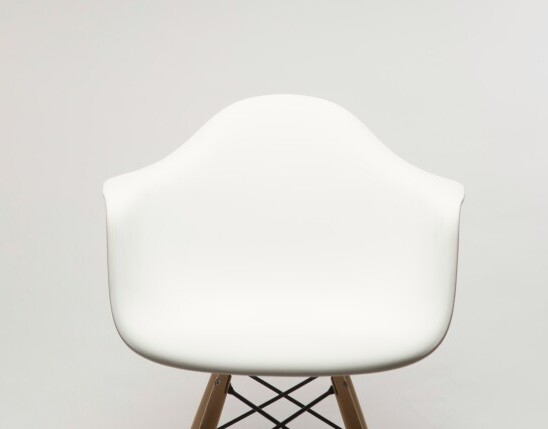
Why Is My Ergonomic Chair Not Comfortable?
I hear this question a lot, and it’s actually pretty common. Just because a chair is labeled “ergonomic” doesn’t mean it fits everyone right out of the box.
Here are some reasons you might not feel comfortable in yours:
- You haven’t adjusted it fully; things like seat height, lumbar support, or armrests might need some tweaking.
- The chair isn’t the right size for your body. Maybe the seat depth is too much or too little, or the lumbar support doesn’t hit your back in the right spot.
- It’s not paired with a proper desk height or correct workspace setup.
- You might need some time for your body to get used to proper posture if you’ve been sitting in slouchy positions for years.
- Your footwear can even play a role—wearing shoes with heels or sitting cross-legged may make even the best chair feel less comfortable.
So, spending a little time getting the adjustments right and making sure your desk and other furniture match up well can make a big difference.
If you’re unsure, check in with a furniture specialist for some tips or look up online tutorials specific to your chair model.
Tips for Picking the Right Office Chair
- Check your daily sitting habits: how many hours at your desk?
- Try out chairs in person, if you can, to see what feels good.
- Look for chairs with multiple adjustments; especially lumbar support, seat height, and armrests.
- Make sure your chair fits not only your body but your workspace (desk height, monitor level, etc.).
- Think about your budget, but remember cheaper chairs may cost more long-term if you have to replace them often or deal with health issues.
- Read reviews and ask coworkers about what chairs have worked best for them.
Other Furniture to Boost Comfort
Supporting ergonomic furniture goes beyond the chair. Desks that adjust for sitting or standing, good footrests, and smart storage can make things feel better and help you stay productive.
There are also comfortable outdoor seating options for breaks or remote work days that can help your posture and mood.
Laptop stands, monitor risers, and an external keyboard or mouse can also give a boost to your comfort and help your overall desk setup. Even small accessories like a supportive mousepad or a lumbar cushion can make a difference.
Taking regular breaks to stretch and move around is just as important for keeping aches and pains away.
Which Chair is Most Comfortable?
For almost everyone who spends a lot of time at a desk, an ergonomic chair feels the most comfortable, especially after you get it adjusted for your own body. The combo of support and flexibility just isn’t matched by regular chairs.
If you’re only sitting for short periods, a regular chair might be totally fine, but for long days, that ergonomic investment really pays off.
Final Thoughts
An ergonomic chair is typically the better long-term investment due to its health benefits, durability, and productivity boosts. If you spend hours at your desk, that investment in comfort can pay off in fewer aches, better focus, and more energy.
Regular chairs can still work for short-term sitting or for those on tight budgets, but they just don’t provide the same level of support. The choice comes down to your daily habits, workspace needs, and how much value you put on long-term comfort and health.
Since switching to an ergonomic chair, I’ve personally seen a significant improvement in how I feel and work, and for the majority of people, it’s definitely worth checking out. Take the time to find one that fits you—and don’t forget to adjust it! After making the switch, your body will thank you every day.
Thats it for now peeps, have a great day!