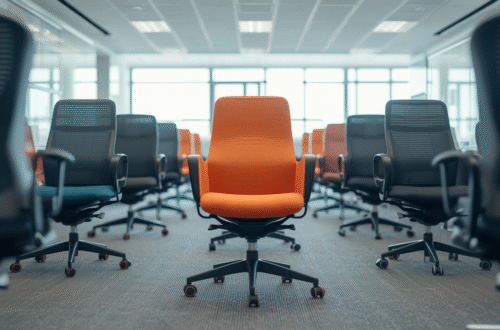
Ergonomics might sound a bit technical, but it’s fundamentally about making our surroundings fit comfortably with us. Especially in the office space, it’s the secret sauce that helps turn grueling hours at the desk into smoother and less pain-inducing experiences. So what makes an office chair truly ergonomic?
Think about it like this: ergonomics is a blend of science, design, and common sense, all working together to support how we sit, type, and even stand. The whole idea is to keep our bodies as healthy and efficient as possible, reducing the kind of strain that comes from poor posture or awkward positions.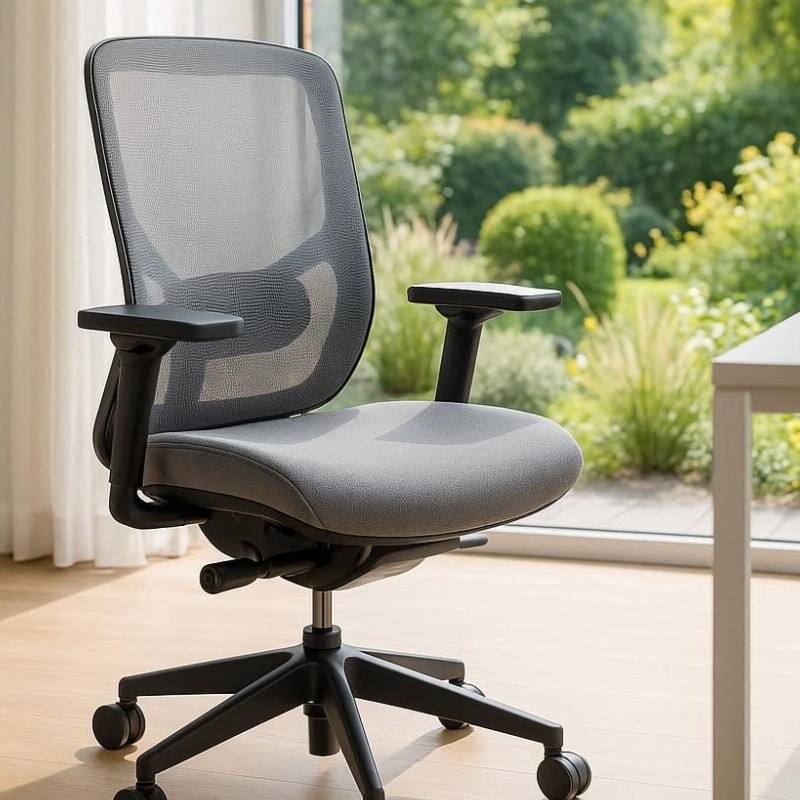
By prioritizing ergonomics, we’re not just talking about fancy gear for your desk. It’s about optimizing every piece of your workspace so you can work better and feel better. This approach helps minimize discomfort, keeps our spines happy, and even boosts productivity because less pain means fewer distractions.
The real magic lies in how ergonomic design understands and caters to human needs. It’s about aligning our tools, like chairs and desks, with our natural movements, making everything feel like an extension of our body.
So, in the grand scheme of things, ergonomics is about more than saving your back—it’s about harmonious work life.
Why Ergonomics Matter in the Workplace
Spending countless hours parked in a chair can wreak havoc on the spine, and that’s just the tip of the iceberg. It isn’t just about discomfort—prolonged sitting has sneaky ways of messing up your health and productivity.
Investing in ergonomics feels a bit like preventive maintenance for your body. It ensures your workspace doesn’t quietly sabotage you with aches and pains.
The big picture here involves reducing the risks associated with sedentary lifestyles, especially in office settings where movement can be scarce.
An ergonomic chair isn’t just there to cuddle you with comfort during work hours. It’s a crucial ally against cumulative stress that creeps in from incorrect seating postures. With adjustable features tailored to fit the user, ergonomic chairs actively support your body’s natural posture.
Getting the ergonomics right in your chair plays into overall workplace wellness. A supportive and well-designed chair can make a world of difference by maintaining energy levels and focus, cutting down on unnecessary fatigue, and even lowering the likelihood of chronic conditions from manifesting after years of sitting. In a nutshell, it’s all about creating a better balance between work and health.
It’s hard to ignore the positive vibe a well-thought-out ergonomic setup brings to the workspace. It shows up as increased morale, reduced absenteeism, and even more employee retention—not just because people are happier, but because they aren’t worn out or sidelined by injuries.
What Makes an Office Chair Truly Ergonomic?
When you’re figuring out what makes a chair genuinely ergonomic, it’s all about the details. The magic lies in how these chairs are built to sync with your body, aiding natural movement instead of fighting it.
An ergonomic chair stands out with its plethora of adjustable features. You can tweak the seat height, adjust the tilt, and shift the lumbar support so it hugs the curve of your spine just right. These tweaks are pivotal in keeping your posture on point, reducing strain on those muscles that always seem to carry the workday’s burden.
But how does an ergonomic chair differ from its regular counterparts? The typical office chair might look the part, but it doesn’t always have the adjustability or design to support long sessions. Ergonomic chairs are tailored with thought-out features aimed at making lengthy seating less taxing.
It accommodates the best angles to keep your knees, hips, and ankles happy, while supporting your back’s natural “S” curve, and letting you move without restriction.
The real clincher for ergonomic chairs is their ability to support varied body types and working styles. While a standard chair offers a one-size-fits-all scenario, ergonomic models cater to different body shapes and sizes, ensuring everyone gets a personal fit.
And a chair that molds to you is exactly what makes those long office marathons feel a bit more like a stroll in the park.
Essential Features of an Ergonomic Office Chair
There’s a checklist of key features that true ergonomic chairs boast, starting with adjustable seat height. Most chairs allow you to set the height anywhere between 16 and 21 inches off the ground, catering to a wide range of users.
The goal? Your feet flat on the floor, with knees at a comfortable 90-degree angle.
Seat width and depth are also critical elements to look at, ensuring there’s a couple of inches’ worth of space between the front of the seat and the back of your knees. Too tight, and it’s uncomfortable; too much space, and it leads to slouching.
The seat tilt is a game-changer, preventing your pelvis from tilting backward and ensuring it stays in a neutral position. You know, that sweet spot where your spine naturally curves and your body’s favored position.
Lumbar support is like your lifeline, keeping your back’s natural “S” shape intact. Nothing beats that feeling when lumbar adjustments prevent you from the dreaded slouch! Meanwhile, backrest recline is a little slice of magic.
Changing the angle helps reduce pressure on your spinal column and eases up muscle tension from sitting upright all day.
Armrests deserve a mention too, offering support to your arms and lightening the load on your shoulders and elbow joints. But they shouldn’t compete with your typing position! Best to let your hands float over the keyboard.
High-quality ergonomic chairs often come with headrests that take off shoulder strain by supporting your head and neck.
And materials that breathe offer comfort, especially during those intense work marathons! Plus, wheels suitable for different flooring types keep you moving smoothly and effortlessly.
Selecting the Right Ergonomic Chair for You
Getting the right ergonomic chair isn’t just about picking the first one that looks comfortable. It’s about matching the chair’s features to how you actually use it day-to-day. If you’re clocking in serious desk time, you need a chair that keeps up with your routine.
Customization is king. A chair that boasts adjustable everything—seat height, depth, lumbar support, armrest placement—can make all the difference, particularly if you share it with others.
This adaptability ensures every user can set it perfectly for their needs, avoiding any lingering discomfort.
Choosing premium options often means tapping into features like inflatable lumbar support for your back and independent adjustments for the seat and backrest. Such detailed tailoring is a massive plus for those who spend countless hours at a desk.
If you’re in an environment where chairs need to withstand heavy use, consider models certified for 24-hour use. These are built tough, designed to hold up under constant pressure while still providing exceptional comfort.
Evaluating the ergonomics of a chair requires balancing the features against your own ergonomic needs.
Think of it like choosing a new pair of sneakers—not one size fits all, and spending a bit more attention and possibly some cash can save lots of pain in the long run.
Make sure the chair you’re eyeing fits with your desk setup. A well-matched desk and chair duo ensures you’re not reaching, straining, or craning awkwardly. Ultimately, picking the right chair is about amplifying comfort while supporting your health goals on your work journey.
Tips for Maximizing Ergonomic Chair Benefits
Getting your hands on a great ergonomic chair is just the beginning. To really reap the benefits, it’s essential to combine it with top-notch sitting habits. Start simple by keeping your feet planted flat on the floor and avoiding the urge to cross them, which can lead to uneven posture over time.
Position your monitor so the top is at eye level and about an arm’s length away. This way, you’re not craning your neck or squinting your eyes, which helps in maintaining a neutral and relaxed position throughout the day.
Consider organizing your desk so that frequently used items are within easy reach. Constantly stretching for things breaks your ergonomic bubble, inviting strain when you least need it. Keep the essentials at hand and your body will thank you.
An ergonomic chair works best in a smartly set-up workspace. Pair it with a desk that matches the chair’s height for maximum comfort, and throw in a footrest if your feet don’t hit the ground naturally.
Swivel your way into better comfort by utilizing the chair’s rotating base instead of twisting your body. Let the chair do the heavy lifting so your lower back doesn’t have to.
Don’t overlook the benefits of taking regular breaks. Get up, stretch a bit, and change your position periodically. It’s not just good for the body but also the mind, keeping productivity high and fatigue low.
Think about additional ergonomic accessories like keyboard trays or mouse pads with wrist rests. These little extras can further enhance your ergonomic setup, making your workspace as comfortable and efficient as possible.
By aligning your chair with good sitting practices, strategic desk layout, and regular movement, you’ve set the stage for a healthier work environment.
You can check out how to set up an ergonomic workspace here!
Thanks for stopping by, hope you enjoyed reading!
Have a great day!