
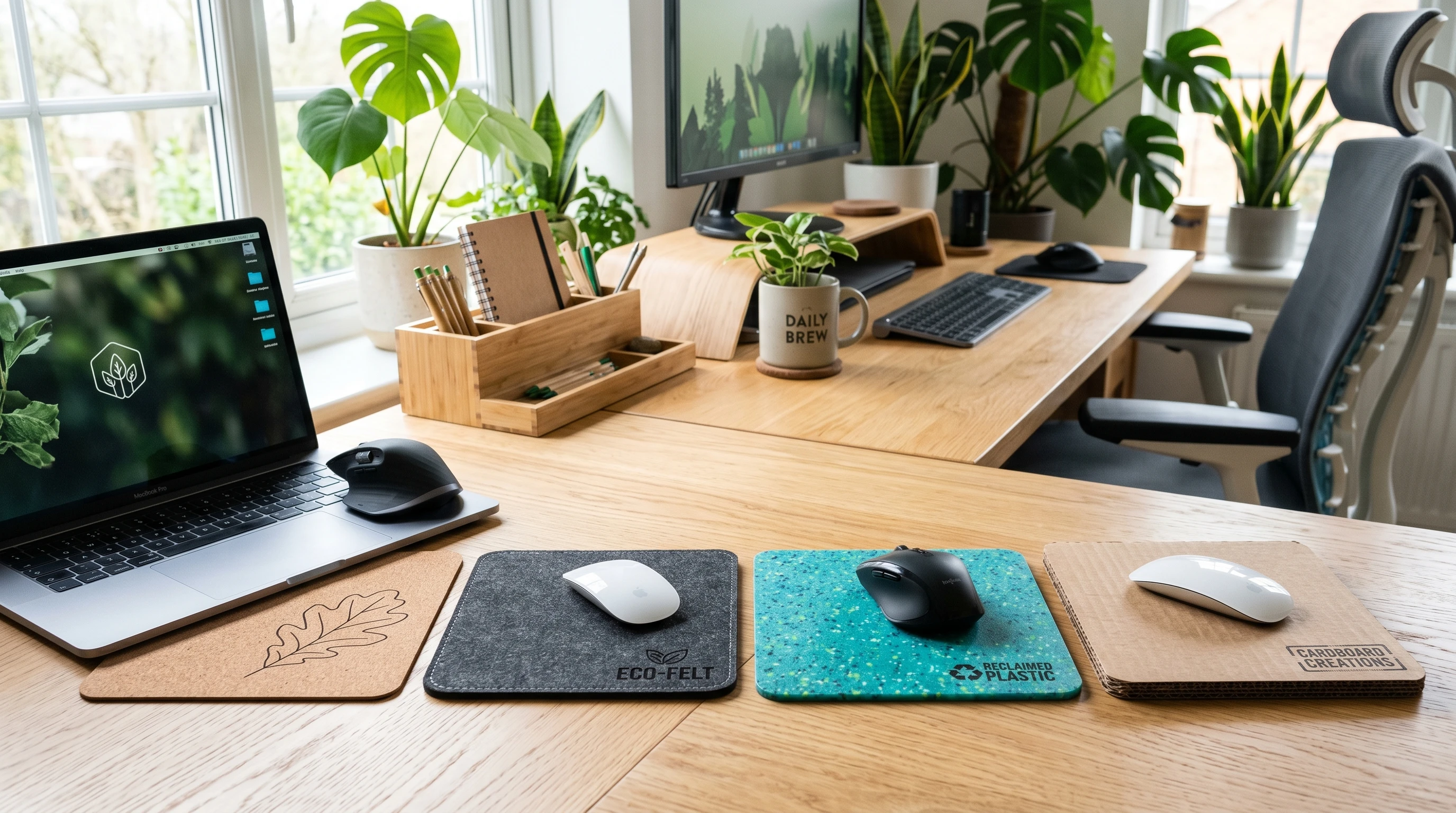
 Switching to an ecofriendly mouse pad is a pretty easy way to make your workspace greener. A lot of mouse pads are made from plastic, foam, or other materials that aren’t great for the planet, but there are some smart alternatives right now that combine comfort with sustainability.
If you’re trying to reduce your environmental impact and want tech gear that fits a greener lifestyle, you’re in the right spot. I picked out some ecofriendly mouse pads that use recycled, renewable, or biodegradable materials, and I’m breaking down what makes each one worth checking out. You’ll get my firsthand take on what they’re like to use, from how they feel to how they hold up.
Each pick comes with a quick list of pros and cons, star ratings, and all the info you need to help you choose the one that suits your style and values. There’s more to a mouse pad than you might think—it’s not just a flat accessory, but often a daily companion if you work or play at your desk for hours!
1. Trust Boye Mouse Pad Eco
This mouse pad is made mostly from recycled PET bottles, and it’s designed to be totally recyclable when you’re done with it. When I tried it out, I really liked the soft surface feel. It also has a natural rubber base that stops it from sliding around, so you won’t get annoyed by constant adjustments.
- Pros: Made from 100% recycled PET, smooth for both optical and laser mice, easy to clean, affordable price.
- Cons: Surface can feel a bit thin compared to chunkier pads. Only comes in basic colors.
Rating: ★★★★☆ (4/5)
2. Fellowes Recycled Mouse Mat
The Fellowes Recycled Mouse Mat stands out for using 95% postconsumer recycled materials, including old tires and rubber scraps. It has a classic rectangular shape. I found the tracking on this one pretty reliable for both work and gaming. The textured surface helps the mouse move smoothly, and the pad doesn’t curl at the edges even after lots of use.
- Pros: High recycled content, strong and sturdy build, antiskid base keeps it in place, solid tracking.
- Cons: Slight rubber smell when first opened, not available in larger sizes, only comes in black.
Rating: ★★★★☆ (4/5)
3. Felt&Cork Mouse Pad
This one is for anyone who loves minimalist aesthetics. The Felt&Cork Mouse Pad combines natural wool felt with a slipproof cork base. The feel on my wrist is super comfortable, and the natural material looks stylish, especially if you go for the grey or brown shades. Over time, the felt surface gives a unique texture that breaks in with use, making it even cozier.
- Pros: Made with renewable materials (wool and cork), soft cushioned feel, good durability, stylish look, compostable when it wears out.
- Cons: Not waterproof (can soak up spills), felt may pill over time, pricier than basic pads.
Rating: ★★★★★ (5/5)
4. MidOcean Floppy Paper Mouse Pad
If you want something totally different, the MidOcean Floppy Paper Mouse Pad is made from recycled paper and cardboard. It’s a superlightweight pad that works well with standard mouse sensors. I like how easy it is to toss into a laptop bag, and when it finally wears out, it goes right into the recycling bin. If you’re always moving between offices or co-working spots, this makes a great pick for travel or backup use as well.
- Pros: Made from recycled and recyclable paper, incredibly light, portable, good for temporary workspaces, budget-friendly.
- Cons: Not water resistant, dents and creases easily, doesn’t last as long as fabric or rubber pads.
Rating: ★★★☆☆ (3/5)
5. Cesca Como Recycled Mouse Mat
This pad is made with a mix of recycled neoprene (often from old wetsuits) and cloth, giving it a soft spongey feel. It holds up to everyday use and comes in a bunch of nice colors and patterns. The grippy base keeps it steady, and the cloth top feels great for both claw and palm grip. The unique patterns available also add a little flair to your desk, which is a plus if you want to make your setup more personal.
- Pros: Uses recycled neoprene, comfortable for all day use, nice pattern options, grips desk surfaces well.
- Cons: Slightly thicker than standard mats, limited availability outside Europe.
Rating: ★★★★☆ (4/5)
What Makes a Mouse Pad Ecofriendly?
Ecofriendly mouse pads are all about using less energy and fewer raw materials. Materials like recycled polyester, cork, felt, or even paper help cut down on waste.
Some mouse pads take it a bit further, using dyes that are less harmful to the environment or skipping plastic packaging. The best eco picks are easy to recycle or compost when they’re at the end of their life, so you aren’t adding to landfill clutter.
Buying from brands that focus on responsible sourcing and transparency helps support the push toward greener tech gear.
Manufacturing practices also play a role—look for pads made using ecofriendly processes or certified materials when possible. A smaller environmental footprint isn’t just about what the pad is made from, but also how it reaches your desk.
Guide: Choosing the Right Ecofriendly Mouse Pad
Surface Material: Felt and cork feel soft and natural, while recycled PET and neoprene offer classic mouse tracking and easy cleaning.
Size & Shape: Think about your own desk setup. Bigger mats give you more room but might not fit compact workspaces. Compact square or rectangular designs suit traditional office desks, while larger ones give more arm movement for designers or gamers.
Water Resistance: If you often have drinks at your desk, a waterproof or wipe-clean pad may be super important.
Style: Minimalist, colorful, or totally basic, there’s a look for every taste. Some brands even use vegetable dyes or print creative graphics.
End-of-Life: Compostable and recyclable options keep your workspace green even after their last click. Upcycling is another way to reuse parts before recycling.
FAQ: Eco Friendly Mouse Pads
Are ecofriendly mouse pads as durable as regular ones?
I’ve found most eco mouse pads last just as long, especially the recycled PET or neoprene versions. Paper and felt may wear out more quickly, but they make up for it by being easy to replace and better for the planet in the long run.
Do ecofriendly mouse pads affect mouse performance?
If the surface is smooth and even, performance is generally just as good as with normal pads. Some gaming mice work best on synthetic surfaces, so just check the details if you need really high-precision tracking.
Can these pads be cleaned?
Most can—just use a damp cloth. Felt and cork need a little more care, so gentle spot-cleaning is the way to go. Paper ones probably shouldn’t get wet at all. If you spill something on a fabric pad, try blotting it right away to avoid persistent stains.
What should I do with an eco mouse pad when it wears out?
If it’s made of fully recycled or compostable material, recycle or compost it if your city allows. Otherwise, try to upcycle the pieces for drawer liners, craft projects, or packing padding. You can also check local recycling guidelines to see what’s accepted, or repurpose old pads for gardening or workshop uses.
Final Thoughts
Upgrading to an ecofriendly mouse pad is a small step that adds up over time. Each option I’ve shared helps reduce waste without giving up comfort or style. The most important thing is finding one that fits how and where you work, so your desk can look good and do good at the same time.
Over the long run, these small choices in tech gear can help create a much greener workspace without any extra hassle.
Rights that it for now peeps, have a great day!